Kyoto's Hidden Zen Gardens: Spatial Poetry of Stillness
How gravel lines, moss contours, and centuries of restrained cedar architecture teach the art of radical attention.
 By Elena Rostova, Kyoto Contributor•Published Oct 2024
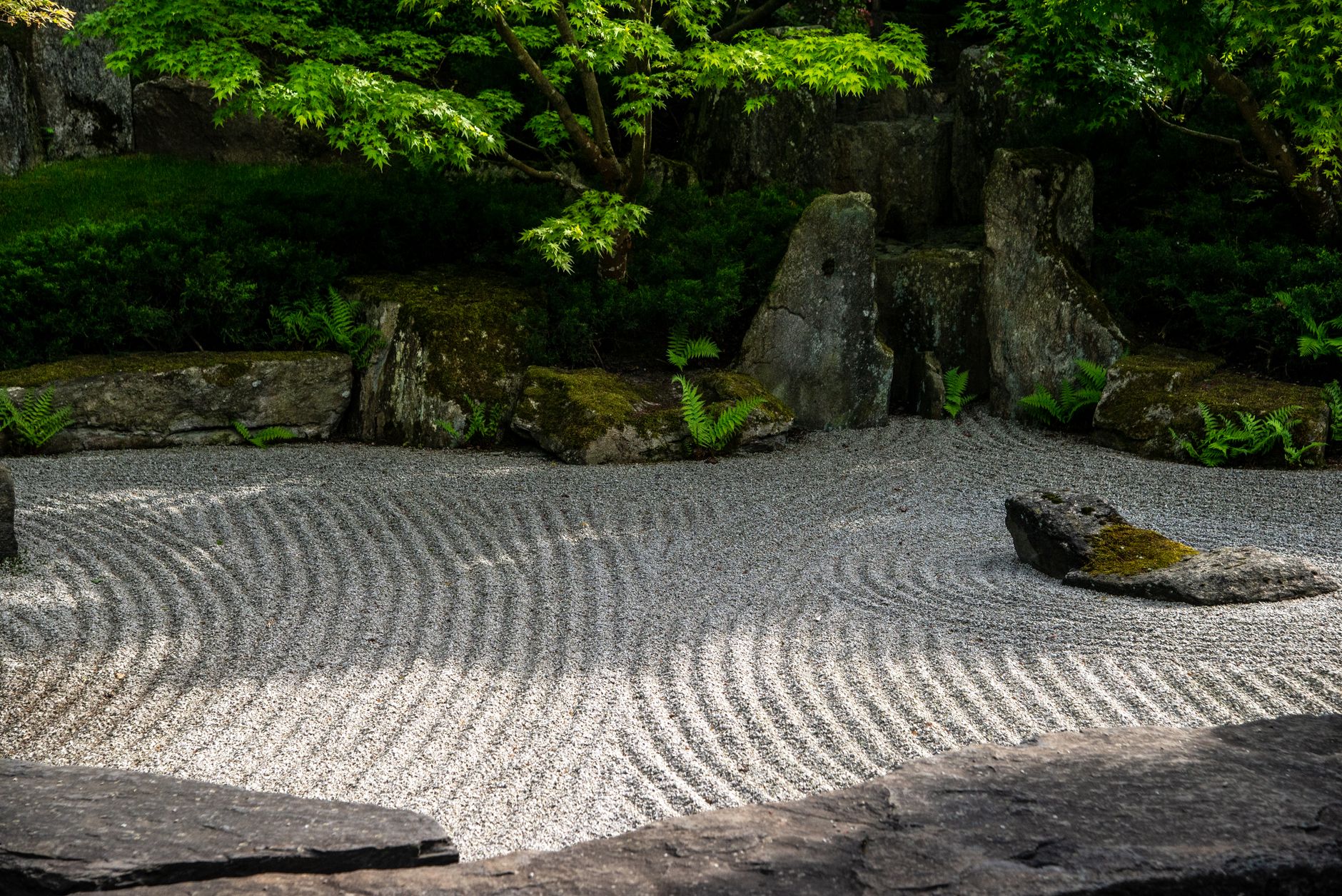
Before the bells of Daitoku-ji ring at dawn, the gravel is already damp with dew. There is an unmistakable presence in these courtyards—an intentional quiet crafted not simply by the absence of sound, but through centuries of exacting geometrical arrangement.
The Geometry of Asymmetry (Fukinsei)
In Western classical garden design, symmetry anchors the human eye, broadcasting dominance over wilderness. In contrast, the Zen gardens of Kyoto—developed largely during the Muromachi period—embrace fukinsei, the principle of dynamic imbalance. Fifteen stones are arranged across white sand in Ryōan-ji so that from whatever vantage point one observes the veranda, only fourteen are simultaneously visible.
“The garden is not an imitation of nature, but a quiet condensation of the universe into stone, lichen, and empty space.”
When walking through lesser-known enclaves such as Koto-in, surrounded by weeping maples and bamboo groves, the visitor feels this spatial discipline acutely. The sound of bamboo water droplets striking stone fountains creates an acoustic rhythm that re-centers breathing.
Practical Advice For The Contemplative Traveler
- Arrive at Gates Opening: Sub-temples like Ryogen-in open at 9:00 AM. Arriving precisely at gate-opening provides 20 minutes of undisturbed silence before occasional walking groups arrive.
- Observe The Veranda Etiquette: Shoes must be stored in provided wooden racks. Thick wool or cotton socks preserve temple floors and respect centuries of cedar polishing.
- Avoid Electronic Distraction: Several monastic courtyards prohibit photography within interior screen rooms. Honor these boundaries with grace.
Traveling slowly through Kyoto requires surrendering the desire to check off fifty heritage shrines in forty-eight hours. Selecting three courtyards and staying perched on the wooden engawa for two hours produces an unforgettable shift in perspective.